A-1.5 Describe Emergency Equipment and Facilities
In any workplace, knowing where emergency equipment and facilities are located can make the difference between a minor incident and a serious injury. Before starting work, take time to learn where to find fire extinguishers, first aid stations, eye-wash stations, and emergency exits. Understanding these locations—and how to use the equipment properly—helps ensure quick and effective action in an emergency
Utilities
Each time you have a new work location, check the location of the shutoffs for all of the utilities; that way you will be prepared for an emergency. Before you perform any trench work with power tools or equipment, you must locate any possible underground utility services.
Watch the following video by WorkSafeBC (2010) on YouTube titled “Excavations: Pre-Excavation Requirements (3 of 6)” [2:12].
If you are using a printed copy, you can scan the QR code with your digital device to go directly to the video: Pre-excavation requirements

Electrical
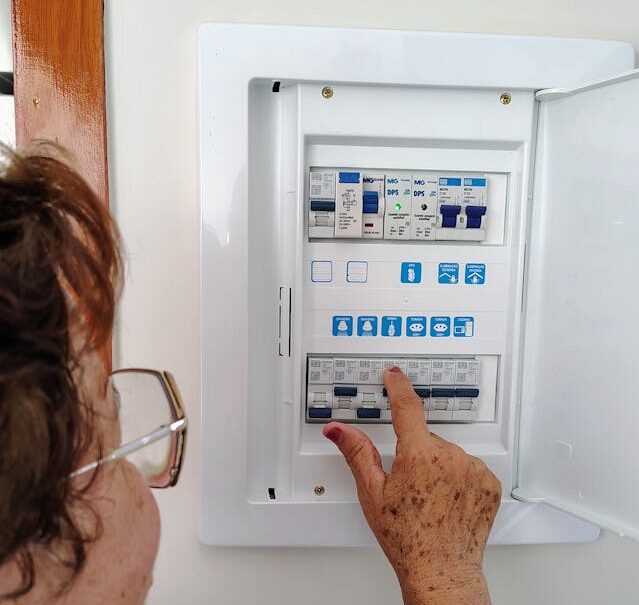
Electrical service panels may be temporary or permanent. Temporary service panels at the job site are located in a box mounted on a large pole or post driven into the ground. Inside the box is a panel with breakers and outlets to supply electrical power to the site. It should contain a main shutoff switch at the top and have several breakers that can be tripped when the circuit is overloaded by too many power tools on one circuit. The electrical panel must be properly grounded with ground rods/plates, according to the Canadian Electrical Code. The box must be waterproof and leak-proof, and the area in front of the box must be kept clear. Water must not be allowed to accumulate underfoot anywhere near the panel.
Electrical cords from the panel should be orderly and not allowed to become tangled. The box should be located at a convenient height so that workers can reach all the switches, breakers, and outlets without using a ladder or other assistance.
On very large jobs, you may find temporary electrical service boards on each floor of a high-rise building. A large cable supplies power to these boards. Keep the cable out of water and protect it from damage. Do not drag the cable when moving the service board—lift and carry it. You should know where the temporary service is located and learn how to shut off the power in an emergency.
Workers may use the building’s permanent services only after they have been fully installed and approved by an authorized electrician. Make yourself aware of the location of the main panel or sub-panels being used, and learn how to shut them off in case of an emergency. If you must shut the power off, do so and notify your supervisor immediately.
Water Supply
Find out where the water shutoff is located at your job site. If a pipe breaks or bursts under water pressure, the water may damage material, tools and equipment, or work already done. Water may create an electrical hazard if it comes into contact with electrical panels or outlets. If you must shut the water off, do so and notify your supervisor at once.
Gas Supply
Locate the gas shutoff at your job site. Escaping gas can cause an explosion that could injure someone or do great damage. Gas shutoff valves are always at the gas meter that will be located outside the building. If you must shut off the gas, do so and notify your supervisor immediately.
Other Services
Other services, such as telephone and data, do not usually present any danger to people, and there is no way you can shut them off. If the lines for these services are broken or cut and/or if they must be located and repaired or moved, get in touch with the company that supplies the service.
Emergency Shutdown Systems
There are emergency shutdown systems or “panic buttons” in many shops. When you enter a shop or an industrial setting for the first time, locate the emergency shutdown. These are installed so that only one switch has to be thrown to kill the power to a large amount of equipment. These systems are to be used in the event of an emergency for immediate response.
Fire Control Systems
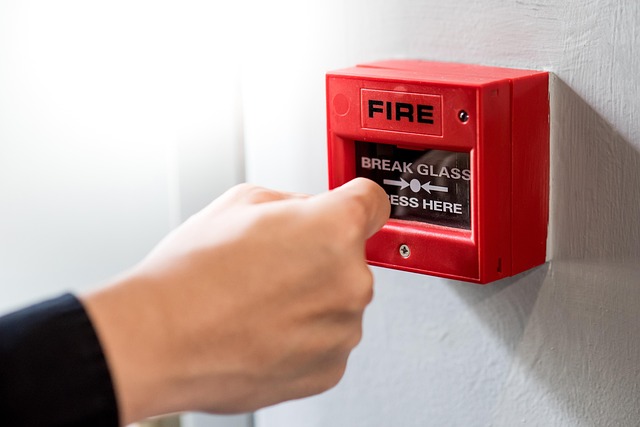
When in shops, you should make yourself aware of:
- Locations of all fire alarm pull stations.
- Locations and class of fire extinguishers.
- Fire drill procedures and the location of fire exits/muster points.
Be aware of the smoke and heat detectors and automatic sprinkler systems that are installed in your workplace, as they are vital equipment in modern buildings. Take some time to determine how the system in your workplace operates and where the fire extinguishers and hoses are located.
Fire extinguishers are designed to deal with fires when they first start. They are still necessary even though an area is protected by sprinkler systems. If you have any doubt whether you can safely extinguish the fire using a portable extinguisher, evacuate the area.
Emergency Wash Stations
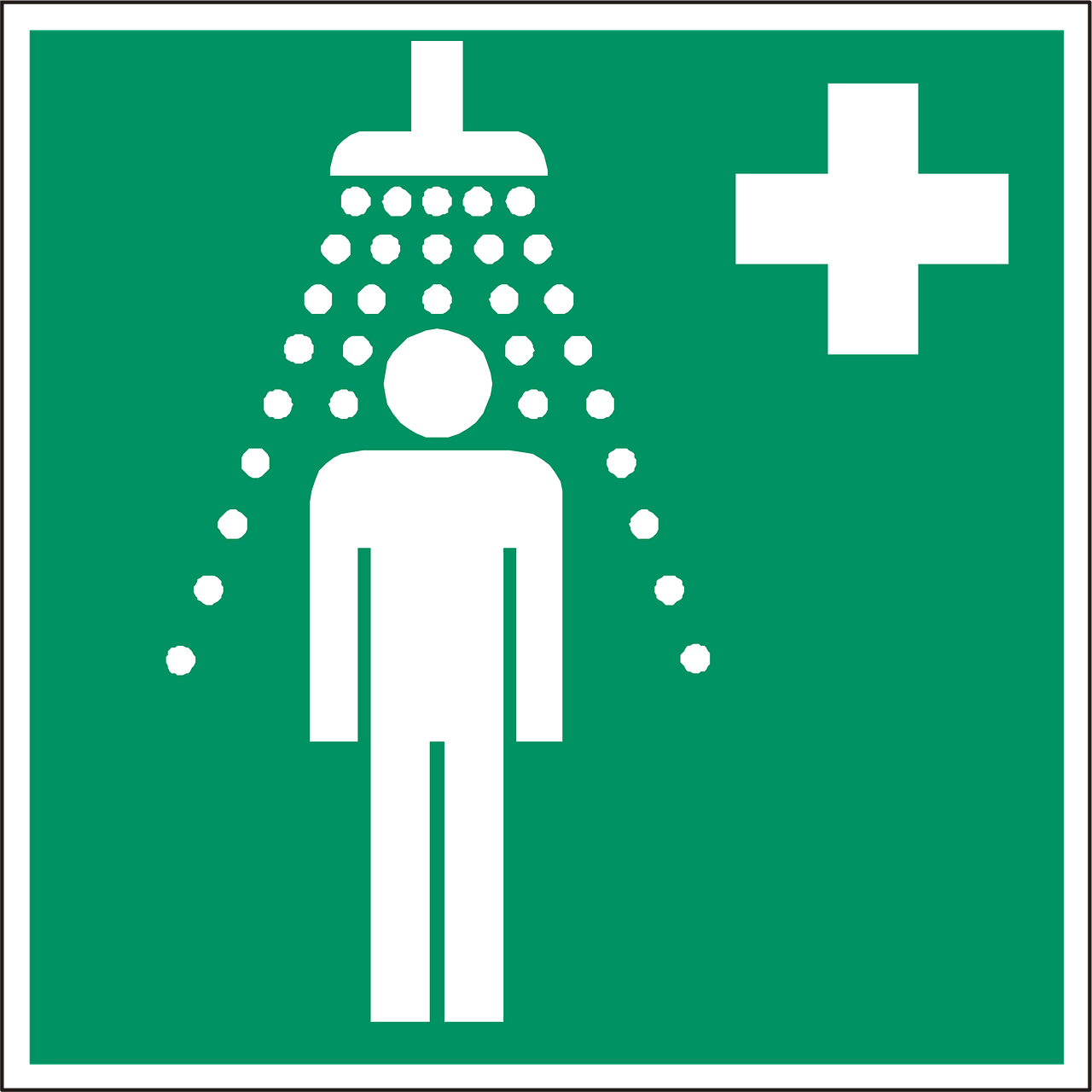
There may be times when you are working with acids or other substances that may “burn” your flesh. If you accidentally splash or spill some corrosive substance on your skin, you will want to wash the affected area very quickly with large amounts of water to dilute the acid and minimize burning. For this reason, it is important to locate special emergency sinks or showers in the work site.
Emergency Exits
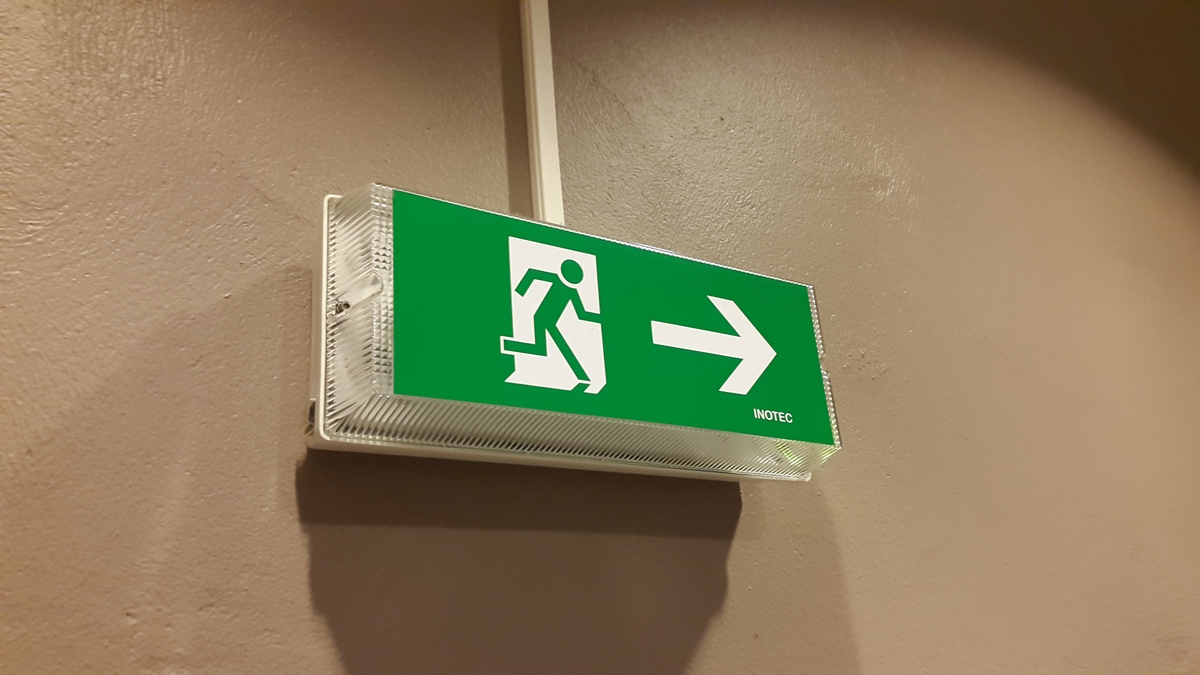
When working on job sites, identify all emergency exits, stairways, and locations of fire extinguishers in case of an emergency. Ensure these are kept clear at all times.
First Aid Facilities
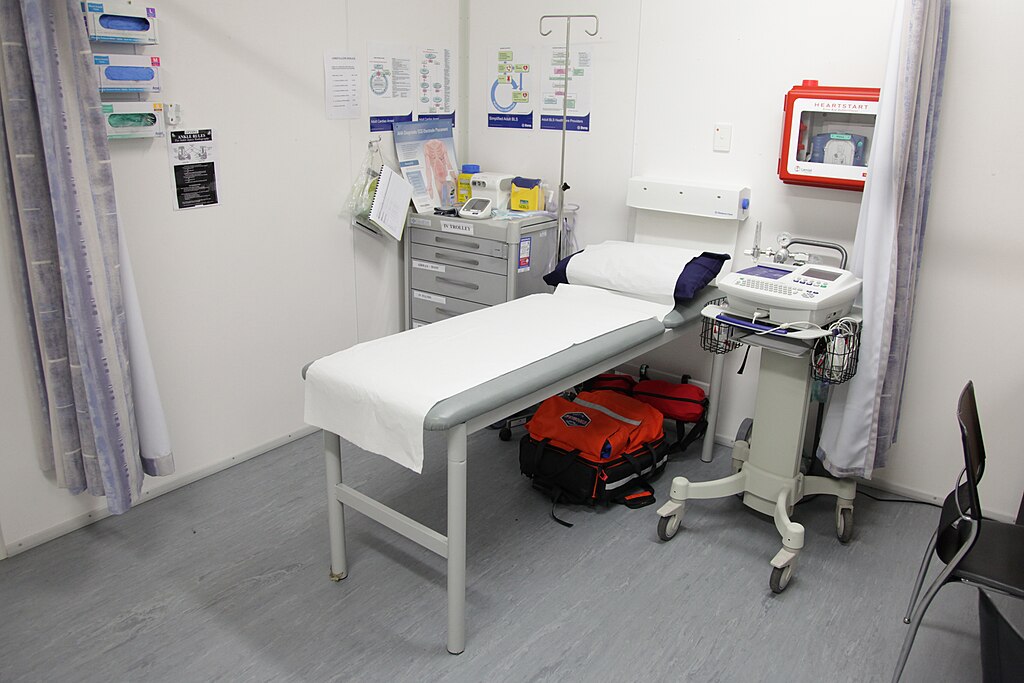
Every job site requires a minimum availability of first aid, as defined in the WorkSafeBC OHS Regulation, with a trained attendant usually available to handle a variety of emergencies, from minor cuts to major bleeding. Learn the location of first aid stations and who the first aid attendants are.
Emergency Contact/Phone Numbers
Emergency telephones should be conveniently located throughout the job site or in the plant, so that help can be summoned quickly for any accident. These telephones should be direct lines to the first aid facility. Also, for every employee there should be an emergency contact and phone number on record that can be called in case of an emergency.
Muster Point

As part of a job site emergency preparedness plan, an outside meeting place or muster point should be designated so employees can be accounted for and can await further instructions. The muster point should be a safe area and should generally be away from the building, upwind in case of a fire or leak, and out of the way of incoming emergency personnel.
Disaster Plan
As part of a job site emergency preparedness plan, all designated inside shelters, exits, evacuation routes and procedures, and outside meeting places should be identified. Exits and evacuation routes should be checked periodically to be sure they are not blocked. Exits should be of sufficient number and width, and in a location that workers can rapidly evacuate.
 Self-Test A-1.5: Describe Emergency Equipment and Facilities
Complete Self-Test A-1.5 and check your answers.
If you are using a printed copy, please find Self-Test A-1.5 and Answer Key at the end of this section. If you prefer, you can scan the QR code with your digital device to go directly to the interactive Self-Test.
References
BC Industry Training Authority. (2019). Piping trades apprenticeship program: Perform safety related functions—Level 1 harmonized [Binder]. Crown Publications, Queen’s Printer for British Columbia. https://www.crownpub.bc.ca/Product/Details/7960000260_S
Camosun College. (2019). Line A: Safe work practices—Competency A-1: Control workplace hazards (Rev. ed.) [Learning guide]. BCcampus. https://collection.bccampus.ca/textbook/tQtm8KNK/
Camosun College. (2015). Trades Access Common Core Competency A-1: Control Workplace Hazards. Victoria, B.C.: Crown Publications. Download for free from the B.C. Open Textbook Collection (https://open.bccampus.ca/browse-ourcollection/find-open-textbooks/).
CSA Group. (2024). Canadian Electrical Code, Part I (26th ed.) — CSA C22.1:24 [Standard]. CSA Group. https://www.csagroup.org/store/product/CSA_C22.1%3A24/
WorkSafeBC. (2010, January 5). Excavations: Pre-excavation requirements (3 of 6) [Video]. YouTube. https://www.youtube.com/watch?v=vagy1JPm0kk
Media Attributions
All figures are sourced from Industry Training Authority (2019) and/or Camosun College (2019) and are used under the Creative Commons Attribution 4.0 (CC BY 4.0) licence unless otherwise noted. Images copyrighted by the BC Industry Training Authority are licensed under a Creative Commons Attribution-NonCommercial-ShareAlike 4.0 (CC BY-NC-SA 4.0) licence.
- Indoor electrical panel by Kleison Leopoldino from Pexels is used under the Pexels License.
- Fire alarm by u_rpnz0oibah from Pixabay is used under the Pixabay Content License.
- Emergency safety shower by OpenIcons from Pixabay is used under the Pixabay Content License.
- Green emergency exit sign from Rawpixel is used under a CC0 Public Domain Dedication License. [Original image found by Jorodin on Pixabay.
- Inverbrackie Alternative Place of Detention by DIAC images from Wikimedia Commons is used under a CC BY 2.0 license.
- Assembly Point Sign from freesvg is used under a CC0 Public Domain Dedication License.
A muster point is a safe meeting place where everyone goes during an emergency so workers can be counted and kept safe. (Section A-1.5)