
A-1.3 Describe Long-term Hazards in the Trades
 Long-term hazards may be described in two different ways:
- Hazards that don’t result in injuries that have immediate effects
- Hazards which, through extended exposure, cause negative health effects such as respiratory diseases, repetitive strain injuries, skin diseases or hearing loss.
Airborne Hazards
Some job tasks may expose you to dust or gases which are airborne hazards that can make you sick or damage your lungs if you breathe them in. These materials can enter the bloodstream and travel to other parts of your body as well. If there is a hazard of airborne material in the workplace, conduct a risk assessment and, if necessary, implement an exposure-control plan.
Dusts
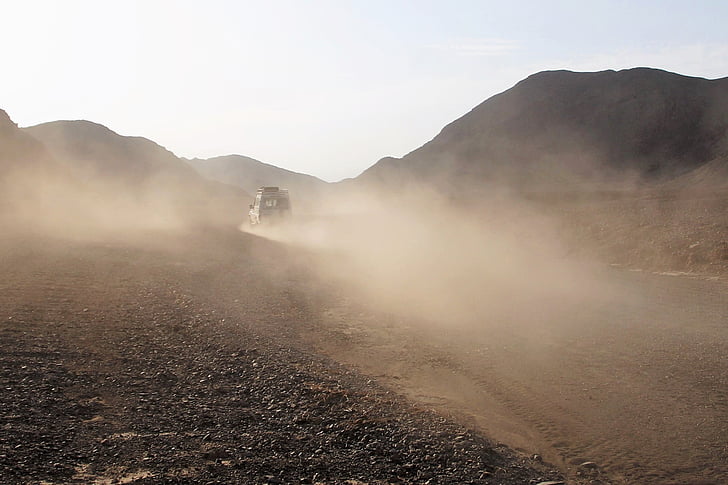
Health hazards are not limited to hazardous materials. For example, inhaling wood dust without proper protection can cause permanent lung damage even though wood is not a hazardous material. Dusts are fine particles that can remain suspended in the air and are less than 10 micrometers in size. Typical dust masks remove 95% of particles 0.3 microns in size or larger.
When hazardous dusts are present in the workplace, WorkSafeBC recommends taking the following actions (in order of importance):
- Control the production of hazardous dust by changing the process that produces it.
- If the process cannot be changed, install adequate ventilation to control the dust.
- If the dust cannot be controlled, restrict access to the area where the dust is present.
- If workers are required to work in areas where hazardous dust is present, they must wear appropriate personal protection. The use of an appropriate respirator for the conditions will ensure the worker’s safety.
The above actions are ordered by level of long-term safety for the workers. Simple dust masks are not adequate to prevent injury from hazardous dusts. Use respirator-type masks with double head straps suited to the type of dust.
See the Section A-4: Describe Personal Safety Practices, for more information on respirators.
Airborne Fibres
Particles classed as airborne fibres are larger than particles in the “dust” class. Both dusts and fibres are carried in the air. Airborne fibres can be even more dangerous than the finest dusts. The composition of the fibres is the factor that determines the hazard—fibres from wood are irritants, while asbestos fibres are linked to lung cancer.
Asbestos
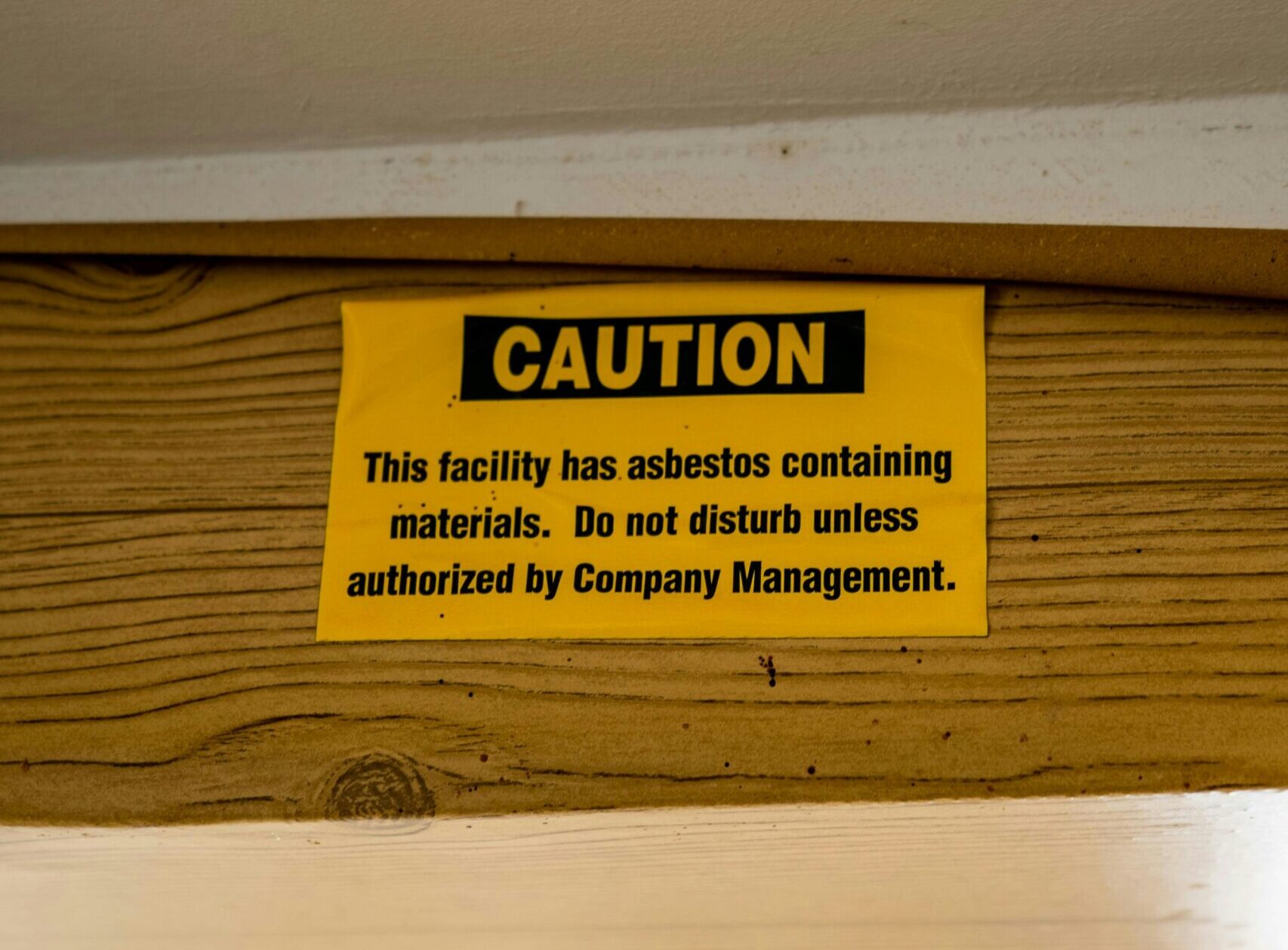
Asbestos is a fibrous material that was used in many products up until the late 1980s because it added strength, heat resistance, and chemical resistance. During the past 20 years, exposure to asbestos is more common when old asbestos is removed or otherwise disturbed, rather than situations where new asbestos is installed. Workers repairing or renovating an old building may be at risk of exposure to asbestos used in the construction of that building.
Asbestos is a very hazardous material and requires extreme safety precautions. Its fibres are extremely fine and can stay in the air for hours. Workers exposed to asbestos-contaminated air can inhale these fibres. If handled without caution, asbestos can cause the serious condition known as asbestosis.
Asbestosis is a chronic lung disease resulting from prolonged exposure to asbestos fibres. The fibres gradually cause the lung to become scarred and stiff, making breathing difficult. Lung cancer may be caused by asbestos fibres in the lung.
For more information on working safely around asbestos, see the WorkSafeBC (2023) manual “Safe Work Practices for Handling Asbestos,” available at the website www.worksafebc.ca.
Also watch Asbestos | WorkSafeBC [2:16] by WorkSafeBC (2009) on YouTube.
If you are using a printed copy, you can scan the QR code with your digital device to go directly to the video: WorkSafeBC video Asbestos

Mould
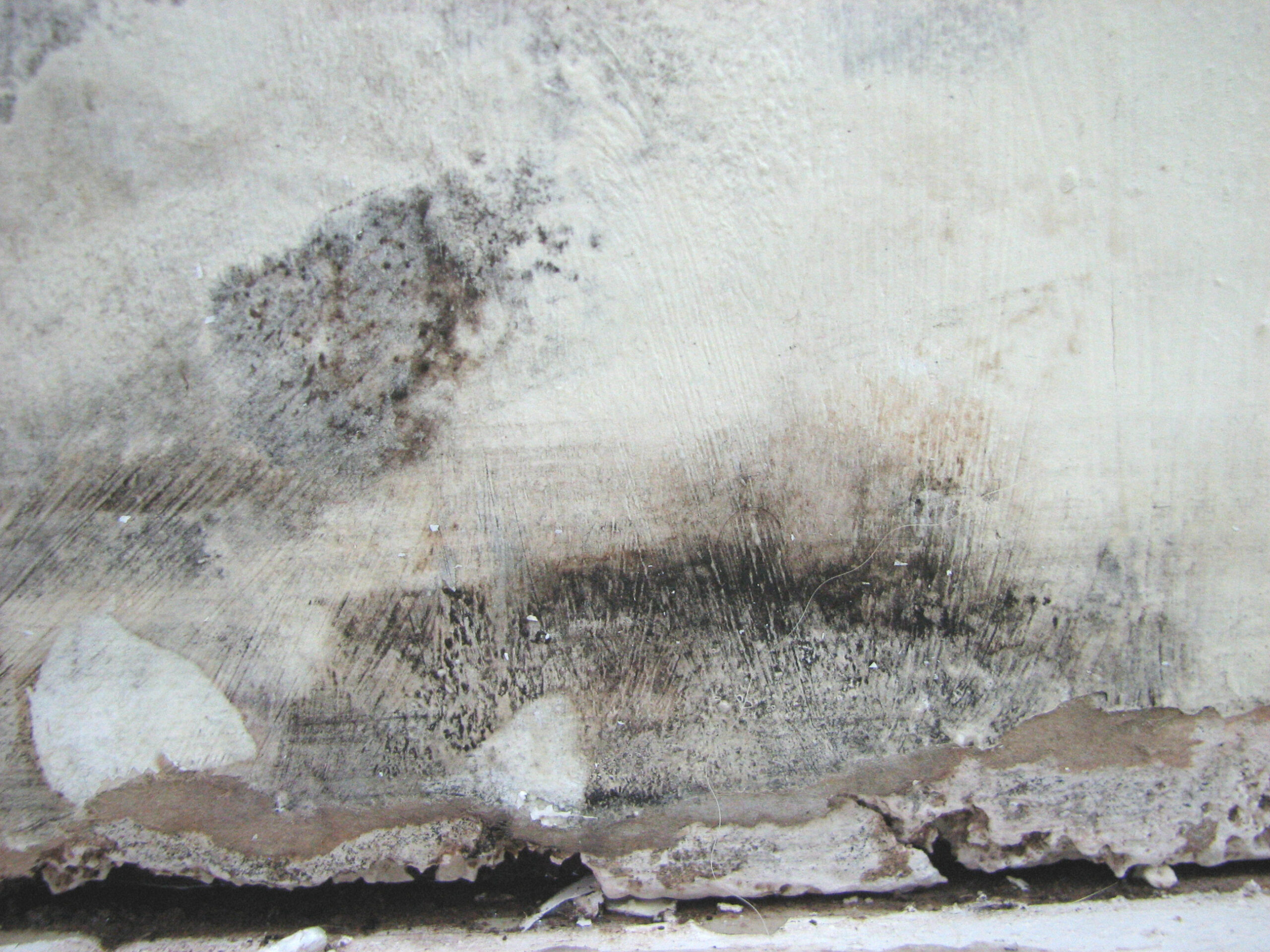
Mould can grow quickly on damp materials such as cardboard, paper, wood and drywall. As mould grows, it releases spores into the air. Exposure to mould spores can affect your health, especially if you have allergies, asthma or a weak immune system.
Watch “Mould Exposure” [1:27] by WorkSafeBC (2010) on YouTube.
If you are using a printed copy, you can scan the QR code with your digital device to go directly to the video: Mould Exposure.

Toxic Metals
The term heavy metals generally refers to the toxic metallic elements:
- Lead
- Mercury
- Arsenic
- Cadmium
These metals, or compounds containing these metals, tend to build up in the bodies of living organisms over a long period of time. Eventually the concentration of the metals reaches a point where they become toxic and pose a significant health hazard. These heavy metals can get into our bodies when we inhale contaminated dusts or ingest foods that have been exposed to or contain toxins.
Lead

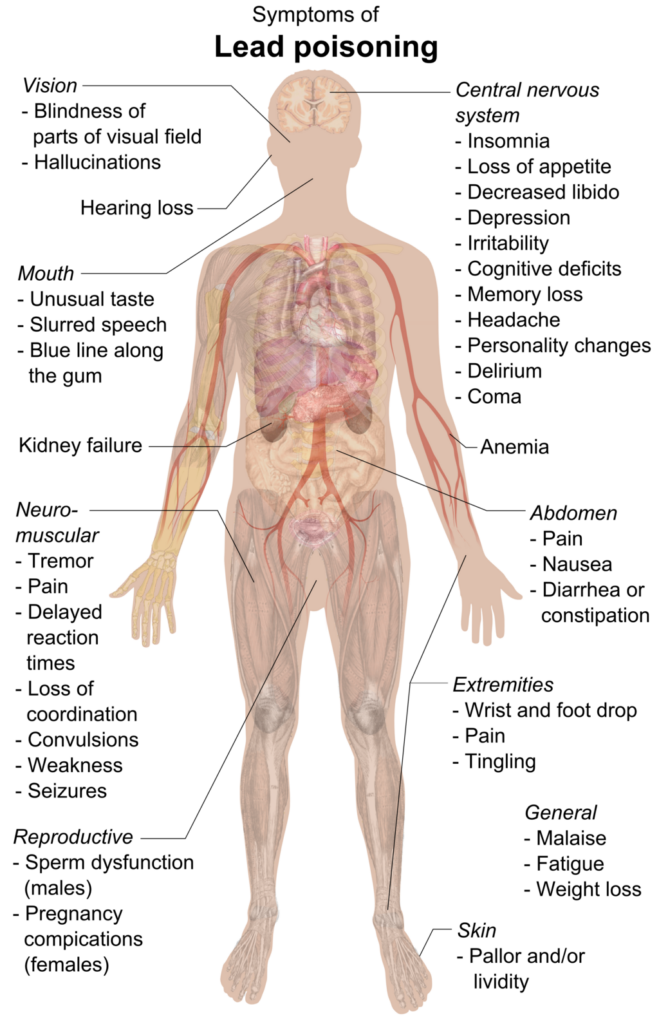
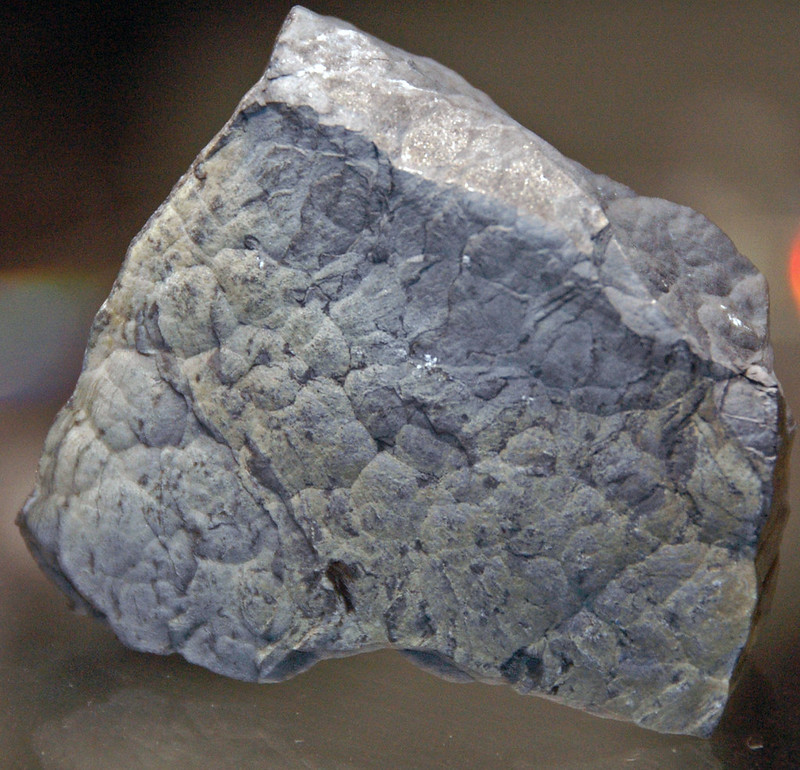
Lead is a heavy metal occasionally found in old paint or plumbing solder. Sanding painted surfaces that contain lead produces airborne lead dust. Workers exposed to this dust risk inhaling it and may suffer from lead poisoning if proper safety precautions are not taken. Although lead has not been used in interior paints since the 1950s, refinishing lead-painted wood is still a significant hazard.
Symptoms of lead poisoning include:
- Digestive discomfort, constipation, anorexia, nausea
- Fatigue, weakness
- Personality change
- Headache
- Hearing loss
- Tremor, lack of coordination
Mercury
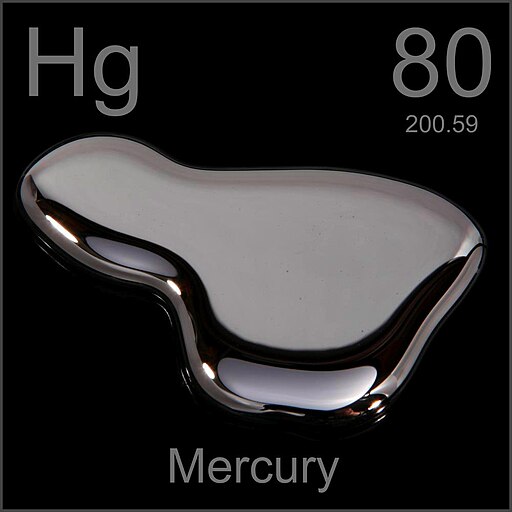
Mercury is a heavy metal that was previously used in switches, fluorescent light bulbs, and many other applications. In 1990, elevated levels of mercury were found in persons exposed to interior latex (water-based) paint containing phenyl mercuric acetate, a preservative used to prolong the paint’s shelf life.
Symptoms of mercury poisoning include:
- Muscle cramps or tremors
- Headache
- Intermittent fever
- Personality change
Regardless of whether paint is new or old, latex- or oil-based, always wear a respirator to prevent inhaling hazardous paint dust or vapours when sanding a painted surface.
Arsenic
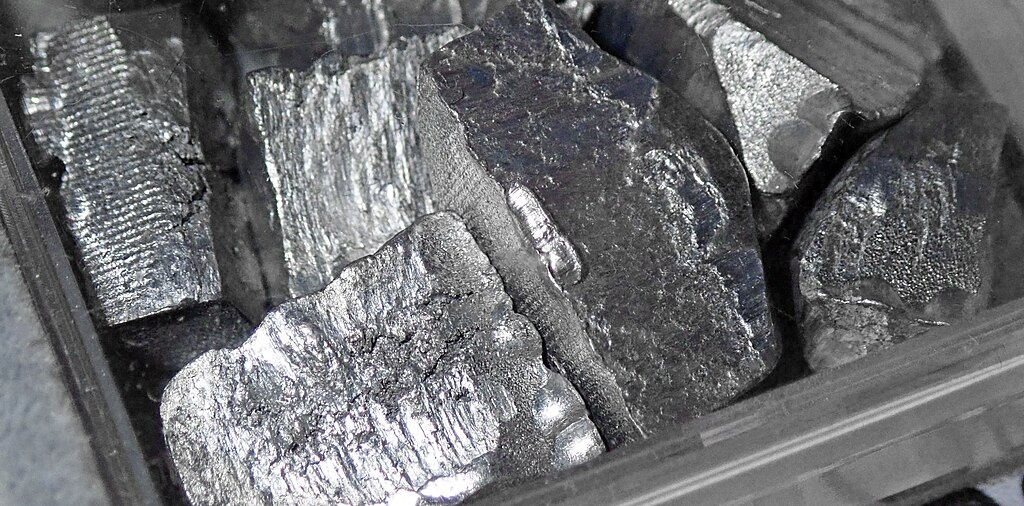
Arsenic is a heavy metal used in wood preservatives. Workers who are in contact with wood preservatives or pre-treated wood must follow the precautions outlined for the product.
Cadmium
Nickel cadmium (NiCad) batteries contain cadmium, a highly toxic heavy metal. Always read manufacturer’s instructions when charging and disposing of NiCad batteries. As long as NiCad batteries are kept sealed and are never short-circuited or severely overcharged, they are perfectly safe to use and do not vent toxic material.
Cadmium can also be found in older brazing material and stainless steel electrodes.
Vapours and Gases
A gas is a low-density chemical compound that normally fills the space in which it is released. It has no physical shape or form. Vapour is a gas produced by evaporation. Workplace tasks can produce several hazardous vapours and gases. Ultraviolet radiation, surface coatings, shielding gases, and welding electrode coatings are some sources of vapours and gases.
Off-Gassing

Off-gassing is the release of chemicals from non-metallic substances. As an example, off-gassing is responsible for the distinctive “new car smell” in new automobiles. Anytime there’s an odour from a substance, that’s off-gassing. However, some off-gassing is odourless, which makes detection difficult. Many new construction materials have an off-gassing period in which they emit volatile organic compounds (VOCs). VOCs are chemicals that often come from various household products like paints, lacquer, printers, pesticides, cleaning supplies, carpets and adhesives. VOCs are known to cause nose and throat irritation, headaches, nausea and even damage to the central nervous system. You should always increase ventilation during the period of VOC off-gassing and consider using an air purifier.
Musculoskeletal Injury
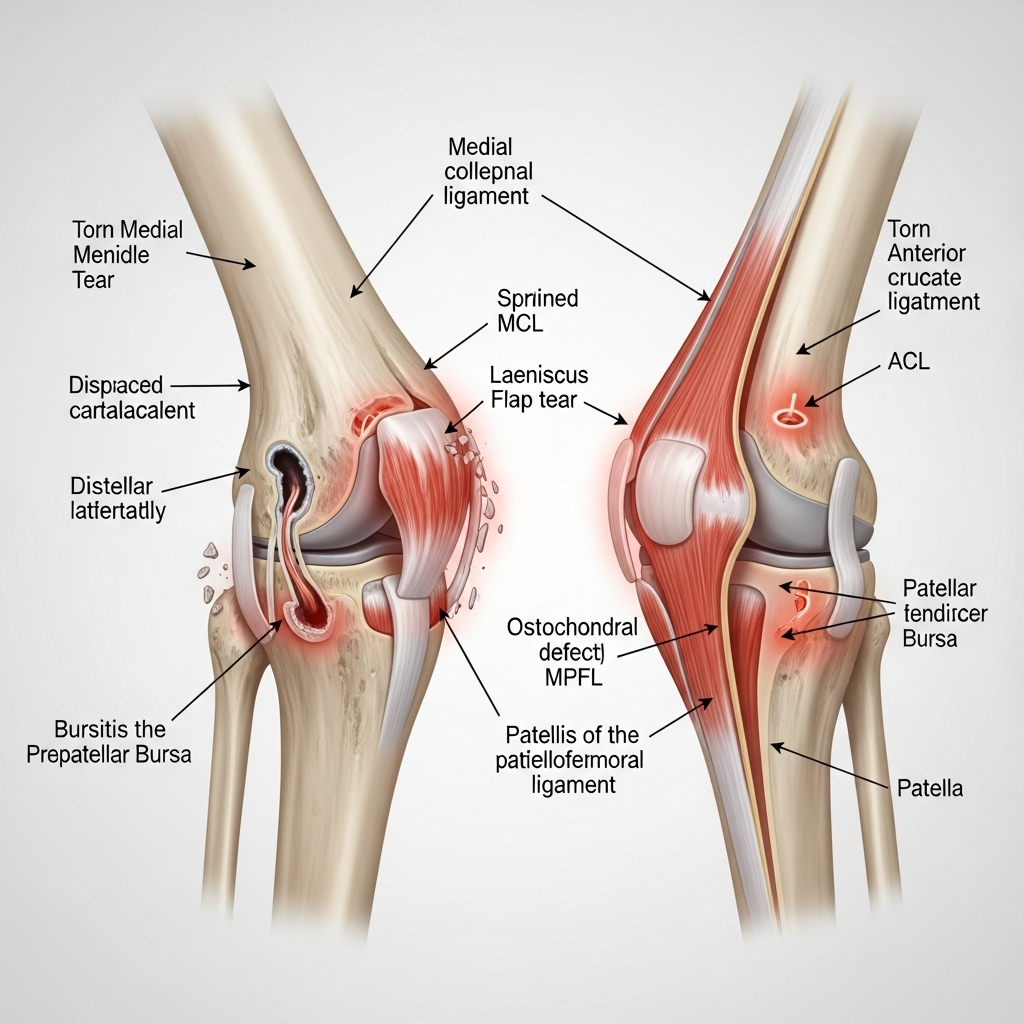
Some of the tasks you will perform at work—such as lifting, reaching and repeating the same movements—can strain your body. These tasks can result in injury to the muscles, tendons, ligaments, nerves, blood vessels and joints of the neck, shoulders, arms, wrists, legs and back. These injuries are called musculoskeletal injuries (MSI), or repetitive strain injuries (RSI), and typically result from overexertion or repetitive motion.
Watch “Carpal Tunnel Syndrome | WorkSafeBC” [1:49] by WorkSafeBC (2009).
If you are using a printed copy, you can scan the QR code with your digital device to go directly to the video: carpal tunnel syndrome.

Occupational Skin Diseases
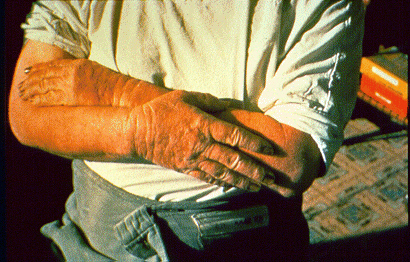
Skin is susceptible to dermatitis caused by exposure to chemicals that strip oils from the skin. To prevent this condition, you must minimize contact with these chemicals. Occupational allergic contact dermatitis can be avoided by personal hygiene, engineering control methods, good housekeeping and personal protection. Personal hygiene—including hand washing—is very important to prevent contact dermatitis, but workers should be aware that excessive hand washing with soap and detergents can also damage the skin.
Hearing Loss
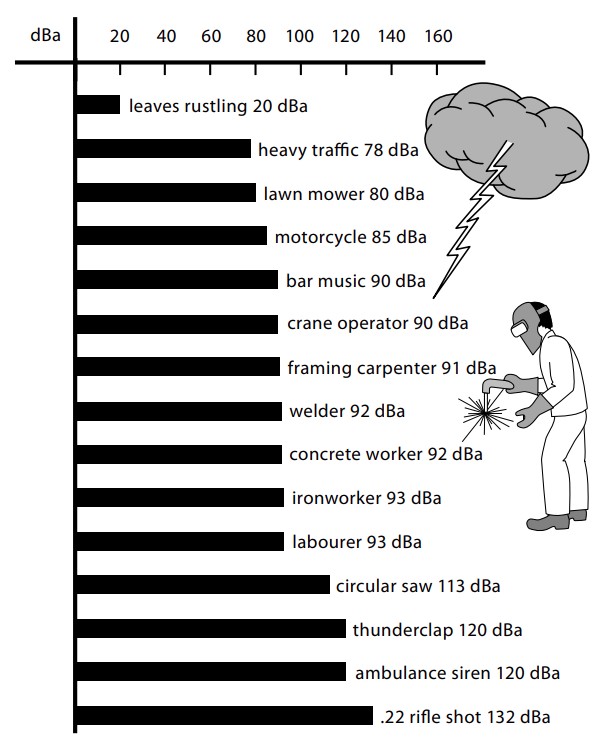
Exposure to loud noise over a long period of time can cause hearing loss, even if the noise is not loud enough to cause pain. Earplugs or earmuffs shall be worn in any shop or job site where the general or steady-state noise level exceeds 85 decibels. Basically, if you have to raise your voice to be heard by someone who is less than two feet away, you need to be wearing hearing protection.
 Self-Test A-1.3: Describe Long-term Hazards in the Trades
Complete Self-Test A-1.3 and check your answers.
If you are using a printed copy, please find Self-Test A-1.3 and Answer Key at the end of this section. If you prefer, you can scan the QR code with your digital device to go directly to the interactive Self-Test.
References
BC Industry Training Authority. (2019). Piping trades apprenticeship program: Perform safety related functions—Level 1 harmonized [Binder]. Crown Publications, Queen’s Printer for British Columbia. https://www.crownpub.bc.ca/Product/Details/7960000260_S
Camosun College. (2019). Line A: Safe work practices—Competency A-1: Control workplace hazards (Rev. ed.) [Learning guide]. BCcampus. https://collection.bccampus.ca/textbook/tQtm8KNK/
Camosun College. (2015). Trades Access Common Core Competency A-1: Control Workplace Hazards. Victoria, B.C.: Crown Publications. Download for free from the B.C. Open Textbook Collection (https://open.bccampus.ca/browse-ourcollection/find-open-textbooks/).
WorkSafeBC. (2009, January 30). Asbestos | WorkSafeBC [Video]. YouTube. https://www.youtube.com/watch?v=jifoNSXvTuQ
WorkSafeBC. (2009, January 30). Carpal tunnel syndrome | WorkSafeBC [Video]. YouTube. https://www.youtube.com/watch?v=J11EIfiHMYw
WorkSafeBC. (2010, July 20). Mould exposure [Video]. YouTube. https://www.youtube.com/watch?v=Kj5InS35N24
WorkSafeBC. (2023, November). Safe work practices for handling asbestos. WorkSafeBC. https://www.worksafebc.com/en/resources/health-safety/books-guides/safe-work-practices-for-handling-asbestos
Media Attributions
All figures are sourced from Industry Training Authority (2019) and/or Camosun College (2019) and are used under the Creative Commons Attribution 4.0 (CC BY 4.0) licence unless otherwise noted. Images copyrighted by the BC Industry Training Authority are licensed under a Creative Commons Attribution-NonCommercial-ShareAlike 4.0 (CC BY-NC-SA 4.0) licence.
- Hazard to Human Health (e.g. Poisonous) Symbol, by Open Icons via Pixabay and modified by Prototyperspective, was retrieved from Wikimedia Commons, and is used under a CC0 1.0 Universal Public Domain Dedication license.
- Road covered with dust [dust, desert] from PickPik is used under the Pickpik Terms of Service.
- Asbestos [modified] by Strange Happenings on Unsplash is used under the Unsplash License.
- Photo: weathered wall with mould and peeling paint by fdplipe from FreeImages is used under the Freeimages.com Content License.
- Lead from Chemical Elements – A Virtual Museum, found on Wikimedia Commons is used under a CC BY 3.0 license.
- Symptoms of lead poisoning (raster), by Mikael Häggström via Wikimedia Commons is used under a CC0 1.0 Universal Public Domain Dedication license.
- Mercury by Marmall4 from Wikimedia Commons is used under a CC BY-SA 4.0 license.
- Arsenic by James St. John from Flickr is used under a CC BY 2.0 license.
- Cadmium by James St. John from Wikimedia Commons is used under a CC BY 2.0 license.
- New car from pxhere [ph] is used under a CC0 Public Domain license.
- AI Prompt: Detailed Anatomy of Knee Musculoskeletal Injuries from easy-peasy.ai is used under the easy-peasy.ai License.
- Hands damaged by kerosene from National Institute for Occupational Safety and Health (NIOSH)-USA via Wikimedia Commons, is in the public domain. [Note: There is also an additional CC BY 2.0 Generic license applied to this photo.]
Dangers that harm your health slowly over time instead of causing an immediate injury. (Section A-1.3)
Hazards made of tiny particles or gases that float in the air and can be breathed into the lungs. (Section A-1.3)
Very small, dry particles that float in the air and can be breathed in, sometimes causing lung damage. (Section A-1.3)
Tiny thread-like particles in the air that can be breathed into the lungs and cause serious health problems. (Section A-1.3)
A dangerous material once used in buildings that can release tiny fibres into the air when disturbed. (Section A-1.3)
A serious lung disease caused by breathing in asbestos fibres over a long time. (Section A-1.3)
A type of fungus that grows on damp materials and releases spores that can make people sick. (Section A-1.3)
Metals that can build up in the body over time and cause serious health problems: lead, mercury, arsenic, and cadmium. (Section A-1.3)
A toxic metal sometimes found in old paint or pipes that can cause poisoning if breathed in or swallowed. (Section A-1.3)
A toxic metal that can harm the brain and nervous system if people are exposed to it. (Section A-1.3)
A poisonous metal often used in wood preservatives that can cause serious health problems. (Section A-1.3)
A highly toxic metal found in some batteries and metals that can damage the lungs and kidneys. (Section A-1.3)
A low-density chemical compound that normally fills the space in which it is released. It has no physical shape or form.
A gas produced by evaporation.
The release of chemicals from non-metallic substances; anytime there’s an odour from a substance, that’s off-gassing; some off-gassing is odourless, which makes detection difficult.
Chemicals that often come from various household products like paints, lacquer, printers, pesticides, cleaning supplies, carpets and adhesives; known to cause nose and throat irritation, headaches, nausea, and damage to the central nervous system. Always increase ventilation during the period of VOC off-gassing and consider using an air purifier.
Injuries that affect muscles, joints, tendons, ligaments, or nerves and often happen from repeated movements, heavy lifting, or working in awkward positions over time. These injuries can cause pain, stiffness, or swelling and usually develop slowly rather than all at once.



.png)

