A-1.4 Describe General Safety Precautions and Procedures
Safety is the most important part of every job in the piping trades. Before any work begins, you must understand the potential hazards of the job site and the procedures that keep everyone safe. Every worker has the right and responsibility to receive a proper safety orientation before starting work. This orientation ensures you know where to go, what to do, and who to contact in an emergency.
Before you start working at a new job or a new work site, make sure you are given basic safety information. This basic information should include at least the following:
- A guided tour of the work area.
- A thorough explanation of your responsibilities.
- The location of first aid equipment and personnel.
- The location of emergency equipment.
- Personal protective equipment, if required.
- The method of reporting injuries.
- Plant safety rules.
- Plant safety training/orientation.
- Muster points/evacuation procedures.
Housekeeping
Good housekeeping is a necessity for a safe job site. Some good housekeeping procedures are:
- Do not block exits.
- Change burned-out light fixtures in work areas, walkways, and exits.
- Keep floors and work areas clean and dry.
- Organize materials, equipment, and tools.
- Keep steps and ladders in serviceable condition.
- Keep emergency equipment clean and unobstructed.
- Ensure that all signs and caution labels are in good condition and visible.
- Put waste products into properly labelled containers.
Safety Awareness
Being constantly aware of conditions that affect health and maintaining a safe working environment is the responsibility of all workers. You must be completely alert when you move about the job site and must have a constant safety awareness of your surroundings.
This should include:
- Identifying and fixing potential safety problems.
- Performing day-to-day work using the proper safety equipment.
- Checking the condition or operation of safety equipment and tools regularly.
- Identifying safety problems and unsafe work practices.
- Performing tasks safely to avoid danger to yourself or co-workers.
- Warning co-workers of potential hazards.
Horseplay
Horseplay, fighting, or practical jokes are inappropriate behaviours for a job site as they can be extremely dangerous and cause injuries.

Respect for Others’ Safety
Every person has the right to work in a safe environment. Everyone must work in accordance with good safety practices as discussed, instructed, and posted. Every person must also refrain from any unsafe act that might endanger themselves or fellow workers.
Proximity Work
Proximity work is work being performed near a hazard, but not in direct contact with it. Proximity work requires extra caution and awareness of the nearby hazard. The hazard may be hot piping, energized electrical equipment, or running motors and machinery. There may be special clearance requirements that require barricades or having a monitor watch you to maintain safe working distances.
When working with a crane near high-voltage power lines, use extreme caution should be used. Although you are not the operator of the crane, you may be doing the rigging or handling the load that the crane lifts.
Keep your distance from power lines! The area surrounding every live power line is referred to as the absolute limit of approach. It is strictly forbidden to move any crane boom, load line, or load into this area unless the power line has been de-energized. There are no exceptions.
This absolute limit of approach varies according to local, provincial, state and federal laws as well as crane manufacturer’s recommendation, but generally it is as shown in Figure 1.

Electrical Hazard Guidelines
In order to create a safe work environment, workers need to guard against contact with electrical voltages and control electrical currents. Make the environment safer by doing the following:
- Protect portable electrical equipment with an approved ground fault circuit interrupter (GFCI) when using the equipment outdoors.
- Ensure that all the cords are in good condition, with the caps and plugs well secured on the cables. Ensure the proper U-ground plug is in good working condition.
- Use cords of sufficient gauge for the amount of current used by the tools they are powering. Each tool is labelled with the power that it draws.
- Wear rubber boots when working in wet conditions and keep your feet dry.
- Tag any faulty tool that may result in a shock as “out of service.”
- Stay clear of overhead power lines and do not use ladders or long-handled paint rollers close to any electrical power line.
- Communicate with the electrician or power company to move or disconnect any cable you need moved or altered.
- Treat all conductors and bare wires—even apparently de-energized ones—as if they are energized until they are locked out and tagged.
Grounding Tools and Equipment
The WCB Occupational Health & Safety Regulation 19.15 Ground fault circuit interrupters requires that, when used outdoors or in a wet or damp location, portable electrical equipment, including temporary lighting, must be protected by an approved ground fault circuit interrupter (GFCI). Make sure that all the cords are in good condition, with the caps and plugs well secured on the cables.
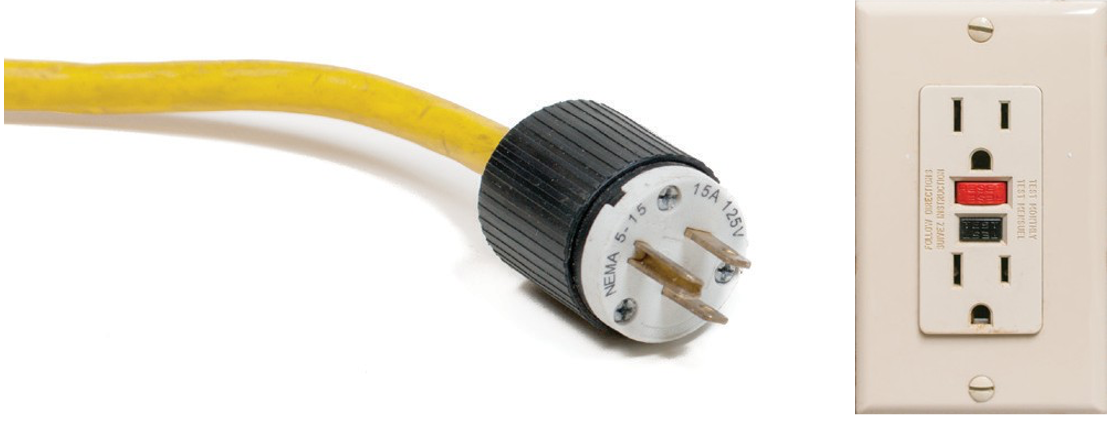
It is important that you use a three-wire cord and the proper U-ground prong on the cord. The third wire is connected to ground; therefore, the operator should not receive an electrical shock if the tool or equipment develops a short-circuit.
Double-insulated cords and tools are also effective in preventing shocks when using power tools. Before taking any electrical appliance or tool apart, lock out or disconnect the electrical power supply.
Tools
Think about safety before using any tool. Know how the tool works and some of the possible dangers of using it incorrectly. Make sure every tool you use is in good condition. Report any tool or piece of equipment that is broken or does not function properly to your immediate supervisor or tool crib attendant. Also, tag the equipment and remove it from service for repair or disposal.

Always protect yourself when you are using tools by wearing appropriate personal protective equipment (PPE), such as safety gloves and eye protection.
Proper Tool Use
Only use tools for their intended function. Make sure the tool is the right size for the job. Do not modify or adapt a tool in a manner that might make it unsafe. Do not use power tools that haven’t been tested and certified for use in Canada. Power tools must have a Canadian testing certification label (CSA, ULC).
General Hand Tool Safety
There are a number of general safety rules that you must follow when you use hand tools:
- Keep tools clean and in good working order. Wipe them with a light oil to prevent rusting.
- Never leave tools where they protrude or can fall and strike someone, particularly in an area where work is being done above ground level.
- Return tools to their proper place when not in use.
- Always wear safety goggles or a face shield to protect your eyes when using hand tools that may produce flying chips or particles, such as chisels and hammers.
- When using a sharp-edged tool, always cut away from the body.
- Make sure that all handles on tools (such as axes and hammers) are tight-fitting and adequately secured.
- Keep edge-cutting tools properly sharpened so that they do the job well and do not have to be forced because of dull edges.
General Power Tool Safety
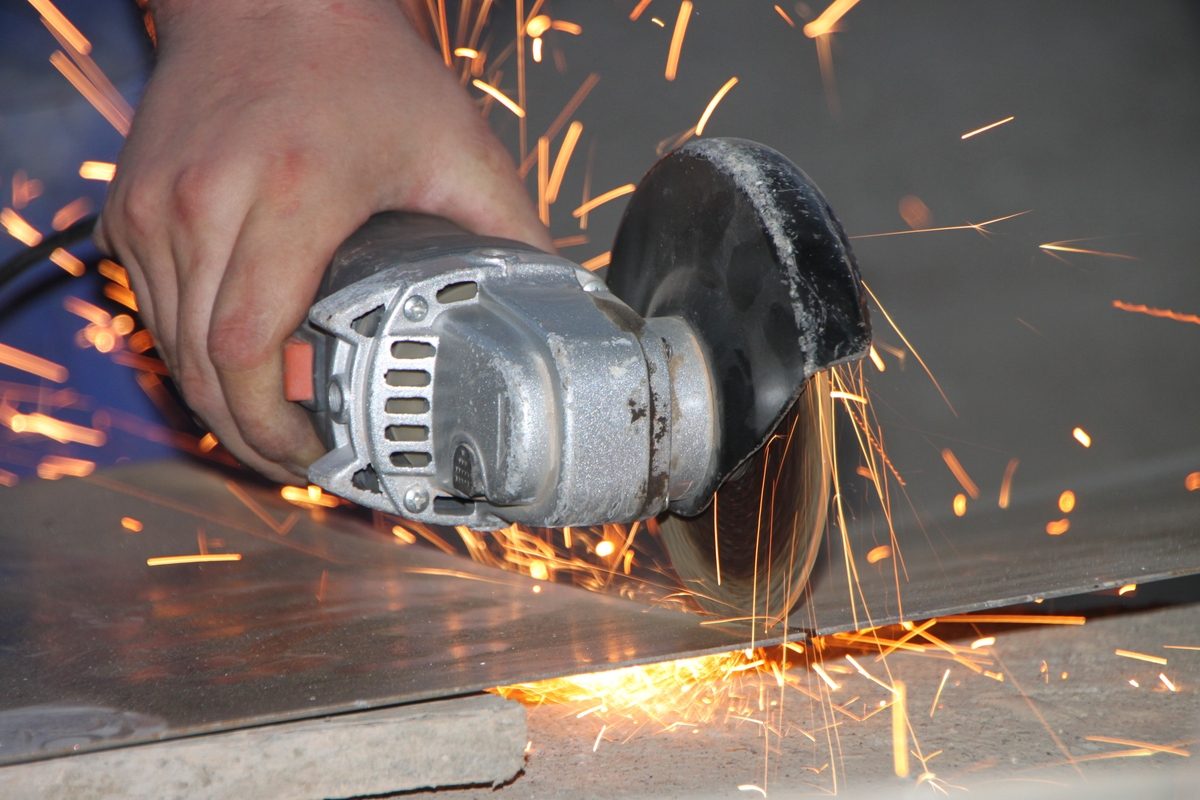
Be very careful when operating power tools and equipment. Before you attempt to operate any tool or piece of equipment, you must be fully trained by an experienced operator. Ensure that all guards are in place and function properly, and that all electrical connections are properly made.
Observe the following precautions when using equipment:
- Understand the correct operating procedures and safety precautions before operating a piece of equipment.
- Ensure that the tools are double insulated and properly grounded.
- Report defective or unsafe equipment to a responsible individual to prevent serious injury.
- Do not distract or interfere with the operator of a machine.
- Ensure that cords to electrically powered tools are in good condition, with no frayed parts or bare wires showing.
- Make sure all guards on tools such as saws and grinders are in place, function properly, and are not wedged open.
- Always keep long hair and beards confined and clothing snug to avoid snagging.
Make sure that hand and power tools are inspected, serviced, repaired, sharpened or dressed to make them safe for use. Before using any tool, check the condition of all guards, tool retainers, power supply cords, extension cords, and other accessories. It is an unsafe practice to bypass, disconnect or remove guards, hoods or shields. Report any damage or defects and return the tool to the crib for tagout.
Always use the appropriate safety equipment to protect your eyes and face from flying particles during any drilling, grinding or buffing operations with an electric or pneumatic power tool (Figure 3).
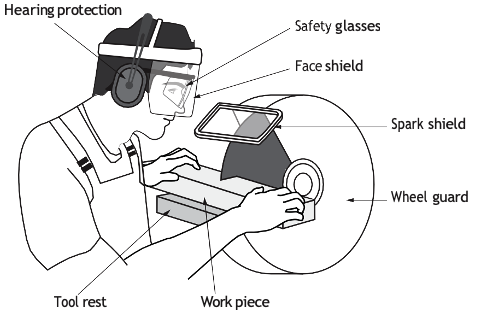
Ensure that the equipment or machine is free from obstruction and that all personnel are clear before the machinery is activated. Hold hand-held power tools firmly and with adequate control and assume a comfortable, balanced body position.
Possible injury comes from the functional or “working” part of the tool, which could be the drill, blade, disk, grinding wheel or other device. Shut off machinery if you are leaving the immediate area. Always disconnect, unplug or lock out equipment before changing saw blades or grinding wheels and before making major adjustments or performing preventive maintenance.
Allow revolving machinery to stop on its own before leaving it. Do not slow down or stop a machine with your hands. Before you begin adjusting or cleaning any machine, make sure it is stopped and LOTO or disconnected from the power source.
Some power tools have arbors (shafts or spindles) for mounting grinding wheels or other rotating tools. Always check to see that the wheel, blade or other rotating tool is securely mounted on the arbor.
The importance of using power tools safely cannot be overemphasized. The two general types of power tools that you will use are electrical and pneumatically powered tools.

Do not lift or move an electric tool by its power supply cord. Supply cords are easily damaged and malfunctions can result from improper handling. Always remove plugs by grasping the plug and pulling it straight out of the wall receptacle.
Portable pneumatic (air-powered) tools present some of the same hazards as electrically powered tools, plus some that are unique to pneumatic tools. For example, you can trip over air supply hoses just as you can trip over electric tool cords. If an air hose is cut, broken or disconnected while under pressure, it can whip about and strike or injure someone.
Route air hoses overhead or out of the way so that they are not a tripping hazard; do not allow them to lie where they may be cut or run over by vehicles. The air blowing free from a hose can also cause chips, dirt and debris to fly about, causing irritating or dangerous conditions for the eyes and lungs.
Never point an air tool (e.g., an air chisel) in the direction of another person, as the tool may fly out and strike them. Never use compressed air to clean your clothing or blow air at any part of your body or another person. Air penetrating your skin can enter your bloodstream and cause death.
Ventilation

The environment in which you work is very important. The air around you may be filled with smoke from soldering or welding, fumes from chemicals used for cleaning, or mist from cleaners or paint. The pollutants can be harmful to your health. Incomplete combustion from carbon-based fuels can produce carbon monoxide. WorkSafeBC lists occupational exposure limits (OEL) for carbon monoxide at 25 parts per million (ppm) for an average of over 8 hours and 100 PPM for a 15-minute exposure.
Adequate ventilation is defined as the use of air movement to:
- Reduce concentrations of airborne contaminants to below the acceptable limits in the worker’s breathing zone and work area.
- Prevent the buildup of combustible gases and vapours.
- Prevent oxygen-deficient or oxygen-enriched atmospheres from forming.
Many types of ventilation equipment may be found in workplaces. Regardless of where you are working, it is important to become familiar with and to use the ventilation equipment or systems.
If you are going to be working in a small, enclosed area or in a shop where fumes or exhaust are a hazard, make sure that there is an extraction system and that it functions properly.
Screens
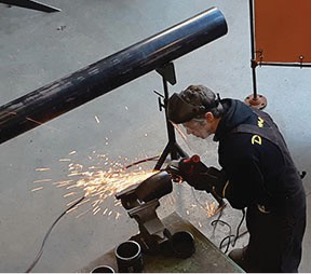
Safety screens provide protection for people working near or walking by grinding, cutting or welding. Screens are available for sale, ready to use, or they can be manufactured. Manufactured screens are often made from fire blanket material. WorkSafeBC addresses screens for arc welding. Screens used for that application shall have a non-reflective finish.
Working in a Confined Space

Confined space describes any enclosed temporary working area that has limited access and egress and is not made for continuous human occupancy. Systematic procedures must be followed for any worker to enter a confined space.
If entering a confined space is unavoidable, supervisors are given the responsibility to ensure that all the necessary precautions are taken; to check safety at each stage; to follow all written procedures; and to ensure that all workers are suited for the work and properly trained before they enter the confined space.
Mechanical and electrical isolation of equipment is essential if it could otherwise inadvertently operate or be operated. If gas, fumes or vapours could enter the confined space, supply piping needs to physically isolate airborne hazards. In all cases, check to ensure effective isolation and ventilation.
You may be able to increase the number of openings and therefore improve ventilation. Mechanical ventilation may be necessary to ensure an adequate supply of fresh air. This is essential where portable gas cylinders and diesel-fuelled equipment are used inside the space because of the dangers from buildup of engine exhaust. Breathing apparatus must be made available if it is not possible to maintain adequate oxygen levels for confined space entry.

Air testing of the environment is necessary to ensure that it is free from both toxic and flammable vapours and that it is fit to breathe.
A competent person should carry out testing using a suitable gas detector that is correctly calibrated. Where the risk assessment indicates that conditions may change—or as a further precaution—continue monitoring the air to detect any changes.
The provision for non-sparking tools and specially protected lighting is essential where flammable or potentially explosive atmospheres are likely. In certain confined spaces (e.g., inside metal tanks), suitable precautions to prevent electric shock include use of extra-low-voltage equipment (typically less than 30 V) and, where necessary, residual current devices such as ground fault circuit interrupters (GFCIs).
Immediate means of communication must be made available for workers in confined spaces to call the standby person, and the standby person must have a means to call rescue personnel.
A rescue team with properly trained personnel and a rescue plan must be in place before any worker is allowed to enter a confined space. All lifelines, harnesses and lifting equipment must be approved for the application, and the standby person must be able to use the equipment to lift the person from the confined space.

See the WorkSafeBC document “Confined Space Entry Program: A Reference Manual.”
Flammable Liquids
All flammable liquids are volatile by nature, but it’s the liquid’s vapours (combined with air), rather than the liquid itself, that ignite and burn. The rate of evaporation varies from one liquid to another and increases with temperature. Increased temperature also increases vapour production, which creates a more hazardous condition.
Preventive fire safety precautions will be covered in Section A-5 Fire Safety.
Weather
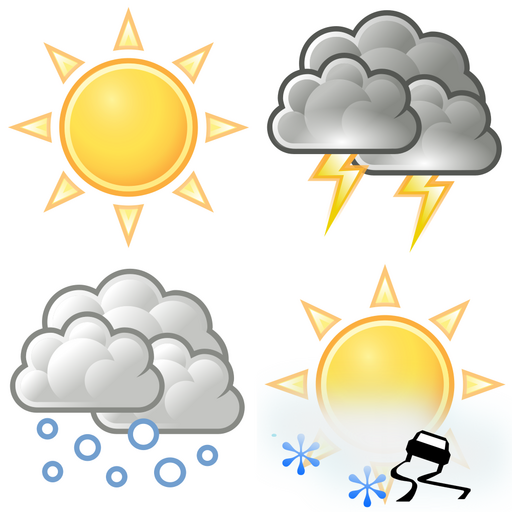
Since tradespeople may have to work in poor weather, they must have adequate rain gear and warm clothing. Good rain gear is a necessity while working in areas where the annual rainfall is high. Keep the head, legs and feet dry because large amounts of body heat are lost from these areas. Ensure that rain gear will breathe so that perspiration is able to escape. Pants and jackets should be loose enough to allow full movement when working.
Rubber boots with steel toes and steel shanks are available to protect the feet. Use kneepads if the tasks require frequent kneeling. Not only do the pads protect knees, but they also help to keep them dry when ground conditions are wet.
Safety Precautions When Working at Elevations
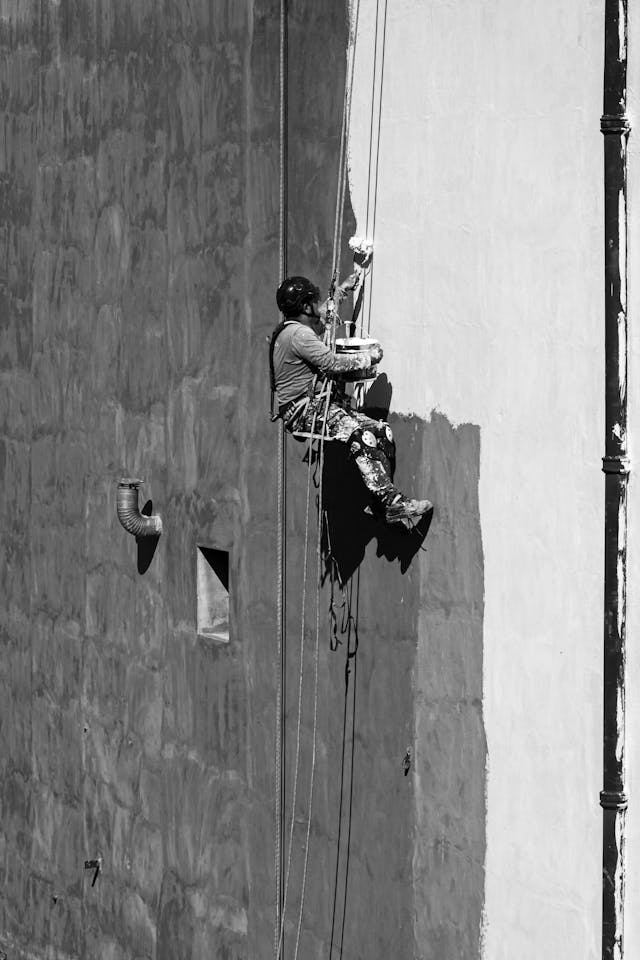
Falls from elevated areas are one of the leading causes of fatalities in the workplace. While the risk of falls is high, there is much you can do to safeguard yourself. Following proper safety procedures and staying alert at all times will help you stay safe when working at an elevation.
Weather and Elevations
If your work area is exposed to the wind, construct a windbreak from plywood, polyethylene sheets or tarps. In high-rise construction, it’s common practice to provide a windbreak at each floor until the glazing has been completed. Strong winds can cause your body to lose heat much faster than if the air is still, so it’s important to wear windproof clothing.
Snow and ice cause slips, trips, and falls. Remove snow and ice, if possible. Some areas can be treated with salt or snow melt; however, salt can damage some material, such as rebar, so it cannot be used everywhere. In the case of lightning, avoid working outside. Once inside, avoid metallic materials that may conduct electricity, such as pipes wires or conduits. If going inside is not an option, try to stay low and away from tall objects. Dry, low-lying areas are preferred when seeking shelter from lightning. Rain can cause standing water and can be uncomfortable to work in. Remove standing water, if possible, and wear appropriate clothes and footwear.
The sun can be another concern when working at elevations. Glare from directly facing the sun, or having if reflect off surfaces can be reduced by wearing darkened or tinted safety glasses.
Wall and Floor Openings
Any opening in a wall or floor is a safety hazard. For protection, openings can be either covered or guarded. Cover any hole whenever possible. When it is not practical to cover a hole, use barricades or guards. The types of guards and barricades used will vary from job to job.
There are different rules and procedures related to covering and guarding wall and floor openings. Use the WorkSafeBC regulations as a minimum guideline, but you will also need to become familiar with the policies on your job site.
Guards and Barriers
Except for work platforms (scaffolds) where fall protection is provided, guards are required whenever there is a drop of 1.22 m (4 ft.) or more. Guards and rails must be placed at stairways, openings in floors, and the edges of open floors. Guardrails consist of a top rail, a midrail, and a toe-board. The toe-board is to prevent tools and materials from dropping through the openings.
Ladders
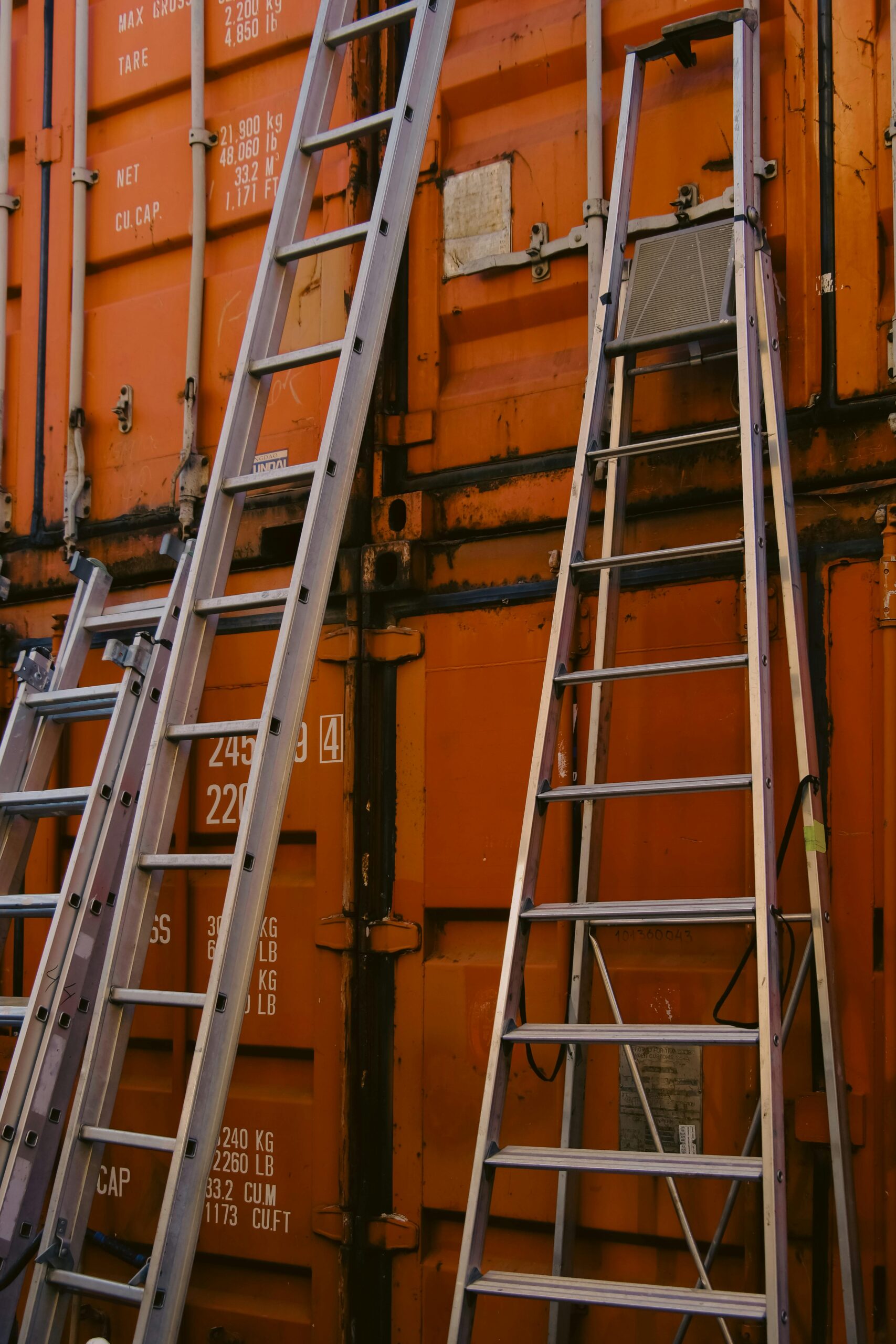
Ladders are used to perform work in elevated locations. You may use ladders to do many jobs, and you must be familiar with the safe use of all types of ladders. Types of ladders and the proper use of each are covered below, and in more specific detail later in Section B-3.1 Use Access Equipment.
When climbing or working from a ladder, an important rule to protect yourself against a fall is to maintain three-point contact with the ladder at all times. This means that you either have two hands and one foot or two feet and one hand touching the ladder constantly.
The following precautions and procedures apply to all portable ladders:
- Inspect all portable ladders before use.
- Do not use ladders with loose, broken, or missing rungs, split side rails, or other dangerous defects.
- Make sure all parts or “members” of the aluminum ladder are straight, properly aligned, and not bent or damaged.
- Remove from use any aluminum ladder with bends, kinks, or other damage.
- Have damaged ladders repaired by an appropriate, reputable firm before putting them back into service.
- Use only transparent protective coatings or preservatives on wooden ladders, so that possible defects will remain visible on inspection (no paint).
- Never reach more than one arm’s length beyond the side of the ladder.
- Do not carry heavy or bulky items while going up or down ladders—maintain three points of contact.
Always face the ladder when climbing up or down. Ensure you only use ladders that:
- Bear the appropriate Canadian Standards Association (CSA) label.
- Are placed on a firm and level base.
- Are positioned so that the horizontal distance from the base to vertical plane of support follows the 1:4 ratio.
- Have sufficient length to project approximately 1 m (3 ft.) above the upper landing to which they provide access.
- Are secured when necessary to ensure stability during use.
Work Platforms
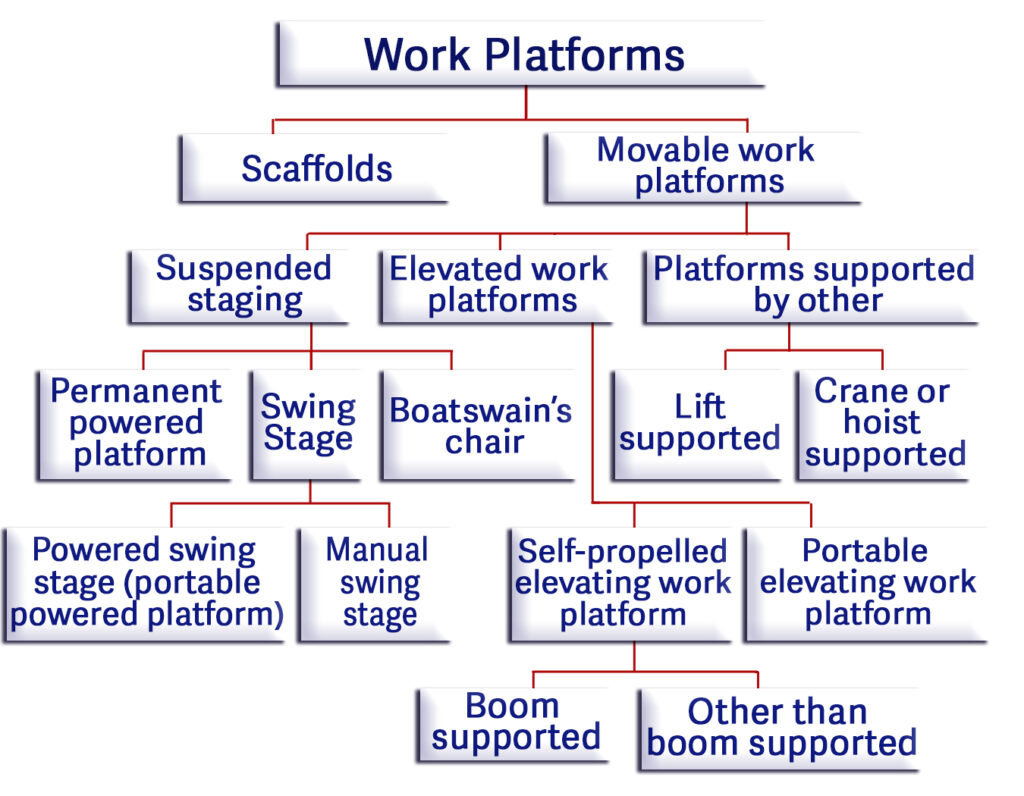
The term work platforms refers to a variety of different elevated or suspended work surfaces. This includes scaffolding and the more common boom lift or scissor lift. The chart in Figure 5 outlines the common types of work platforms.
Guardrails
Temporary work platforms require guardrails where there is a drop of 3 m (10 ft.) or more. Guardrails consist of a top rail and a midrail. Toe-boards are also required in cases where materials or tools are placed on the work/travel surface and could fall off. The height of a guardrail should be between 1,020 and 1,120 mm (40–44 in.).
The midrail should be approximately halfway between the work or travel surface and the top rail. WorkSafeBC addresses guardrails in sections 4.54 to 4.63. Unless engineered, vertical posts must be a minimum 38 mm x 89mm (2” x 4” nominal lumber), and must be installed with the narrow dimension facing the open edge.
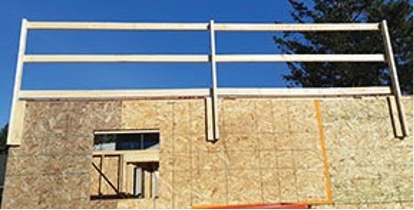
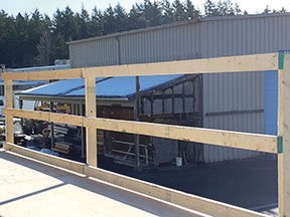
Guardrail construction requirements can be found in the WorkSafeBC OHS Regulation Part 4: General Conditions.
 Self-Test A-1.4: Describe General Safety Precautions and Procedures
Complete Self-Test A-1.4 and check your answers.
If you are using a printed copy, please find Self-Test A-1.4 and Answer Key at the end of this section. If you prefer, you can scan the QR code with your digital device to go directly to the interactive Self-Test.
References
BC Industry Training Authority. (2019). Piping trades apprenticeship program: Perform safety related functions—Level 1 harmonized [Binder]. Crown Publications, Queen’s Printer for British Columbia. https://www.crownpub.bc.ca/Product/Details/7960000260_S
Camosun College. (2019). Line A: Safe work practices—Competency A-1: Control workplace hazards (Rev. ed.) [Learning guide]. BCcampus. https://collection.bccampus.ca/textbook/tQtm8KNK/
Camosun College. (2015). Trades Access Common Core Competency A-1: Control Workplace Hazards. Victoria, B.C.: Crown Publications. Download for free from the B.C. Open Textbook Collection (https://open.bccampus.ca/browse-ourcollection/find-open-textbooks/).
WorkSafeBC. (2008, April). Confined space entry program: A reference manual. https://www.worksafebc.com/en/resources/health-safety/books-guides/confined-space-entry-program-a-reference-manual
Media Attributions
All figures are sourced from Industry Training Authority (2019) and/or Camosun College (2019) and are used under the Creative Commons Attribution 4.0 (CC BY 4.0) licence unless otherwise noted. Images copyrighted by the BC Industry Training Authority are licensed under a Creative Commons Attribution-NonCommercial-ShareAlike 4.0 (CC BY-NC-SA 4.0) licence.
- Petrol1203YE by DeltaFalcon from Wikipedia is used under a CC BY-SA 3.0 license.
- Cutting iron with a metal cutting machine by byrev [originally from Wikimedia Commons) from rawpixel is used under a CC0 license.
- Industrial Ventilation by Peter H from Pixabay is used under the Pixabay Content License.
- Industrial Welding with Screen is by saldahnae from Pixabay is used under the Pixabay Content License.
- Figure 4 Stará Amatérská jeskyně by Jiří Komárek from Wikimedia Commons, is used under a CC BY-SA 4.0 license.
- Work Platforms [hierarchal diagram] has been modified by TRU Open Press from BC Industry Training Authority (2019). CC BY-NC-SA 4.0
- Weather symbols by The people from the Tango! project [modified by Przykuta] at Wikimedia Commons is used under a CC BY-SA 3.0 license.
- Rope Access Painter by Alex Dos Santos from Pexels is used under the Pexels license.
- Metal Ladders by Yulia Pribytkova from Pexels is used under the Pexels license.
Long Description
Figure 5 Work Platforms [hierarchal diagram]
This diagram shows how work platforms are classified.
Work platforms are divided into scaffolds and movable work platforms.
Scaffolds include suspended staging, such as permanent powered platforms, swing stages, and boatswain’s chairs. Swing stages may be powered or manual.
Movable work platforms include elevating work platforms and platforms supported by other means. Platforms supported by other means may be lift-supported or crane- or hoist-supported. Elevating work platforms may be self-propelled or portable, and self-propelled platforms may be boom-supported or supported by other designs.
Different types of work platforms have different risks and safety rules, so it is important to know which type you are using before starting work.
[Back to Figure 5]
A meeting or training that explains job site rules, hazards, and emergency procedures before work begins. (Section A-1.4)
Keeping the work area clean, organized, and free of clutter to prevent accidents. (Section A-1.4)
Being alert and paying attention to your surroundings to avoid danger at work. (Section A-1.4)
Rough play, joking, or fighting at work that can cause accidents or injuries. (Section A-1.4)
Work done close to a hazard without touching it, which requires extra caution. (Section A-1.4)
The closest distance allowed between people or equipment and live power lines. (Section A-1.4)
A safety device that quickly shuts off electricity to prevent shocks. (Section A-1.4)
Safety gear such as gloves, goggles, or boots worn to protect the body. (Section A-1.4; Section A-4.1)
A Canadian testing certification label is a safety mark on tools or equipment that shows they have been tested and approved to be safe for use in Canada by organizations like Canadian Standards Association (CSA) or Underwriters Laboratories of Canada (ULC). (Section A-1.4)
Connecting electrical tools or equipment to the ground so electricity can flow safely if there is a fault. (Section A-1.4)
Moving fresh air into a work area to remove harmful fumes, gases, or dust. (Section A-1.4)
A small, enclosed area with limited entry and exit that is not meant for people to stay in for long periods. (Section A-1.4)
Liquids that can easily catch fire, especially when their vapours mix with air. (Section A-1.4)
Safety barriers placed along edges or openings to prevent falls. (Section A-1.4)
Elevated or suspended surfaces, such as scaffolds or lifts, used to work at heights. (Section A-1.4)
A machine used to lift people and tools to work at heights. It raises a platform or bucket off the ground so workers can safely reach high places. A boom lift can move up, down, and sideways, while a scissor lift moves straight up and down.